
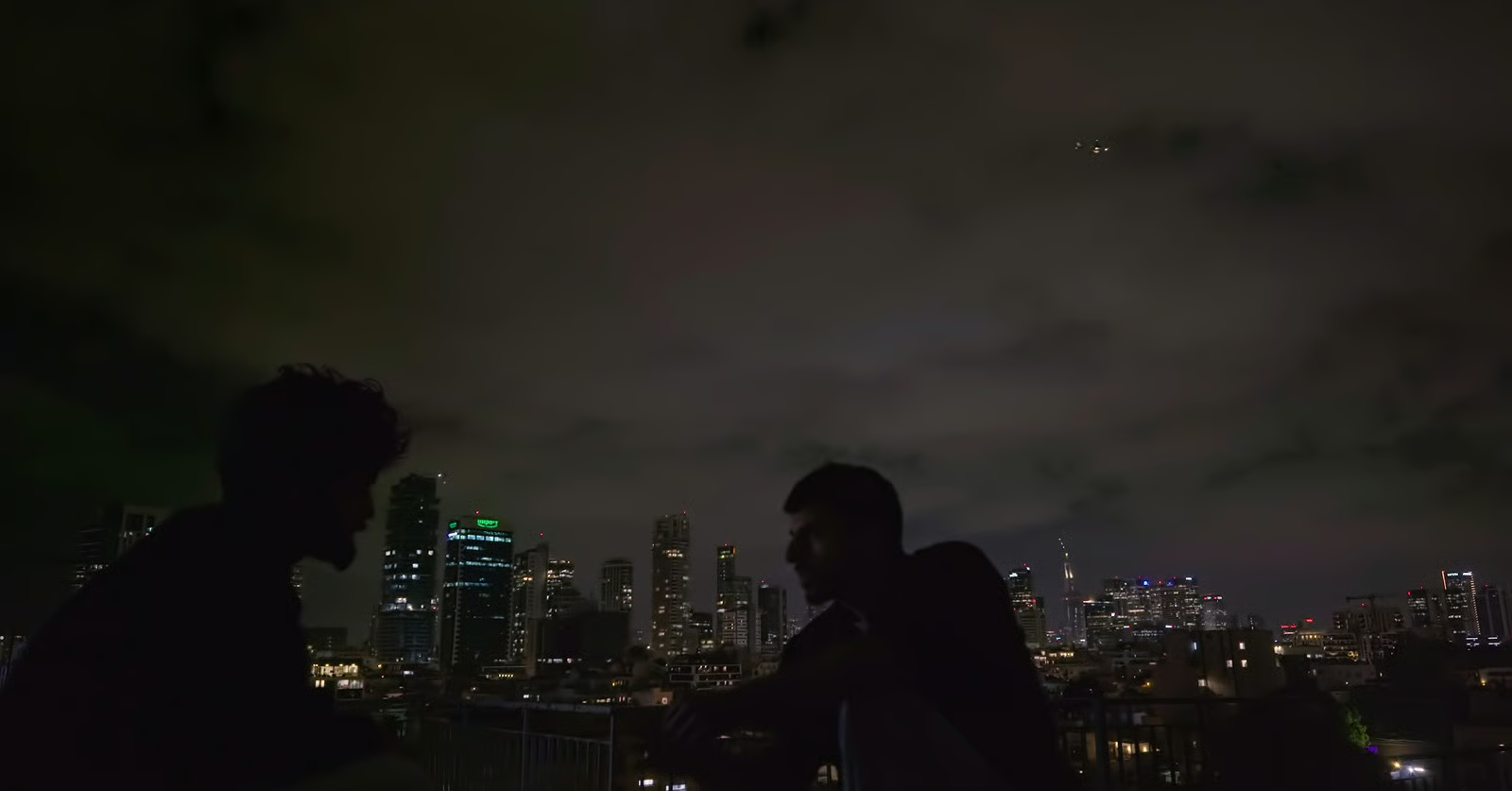
“Naza” is a euphemism for the ‘collateral damage’ from those impacted by air strikes in Gaza – AKA the children, senior citizens, and women killed in blasts designed for one or two men who were either in Hamas or were involved with Hamas at one point in time. This is how the documentary of the same name, Naza, is introduced – a readout of the definition of the phrase. We follow conversations between filmmaker Yuval Abraham and anonymous IDF intelligence soldiers across rooftops in Tel Aviv, about the methodology of cruelty used to murder men, women, and children in Gaza. Since the filming of this documentary, the coverage of information within is out in the open, but that doesn’t diminish the impact of Naza.
What differs between Naza and No Other Land is the focus being exclusively on the Israeli people. As filming wrapped for No Other Land, on October 7th, 2023, Hamas attacked Israel then a full scale war started that then turned into genocide, the demolishing of whole cities with air strikes, and ethnic cleansing. Naza is shot across roof tops of buildings in Tel Aviv and in between talking points we take moments to see the citizens in their homes, in which their faces are obscured, watching news broadcasts and political speeches about the ‘evil’ in Gaza. The IDF officers who participated in the documentary proceeded to discuss their methodology, how they created an AI software to conduct their military strikes, and what protocols they put in place – specifically covering father figures in homes.
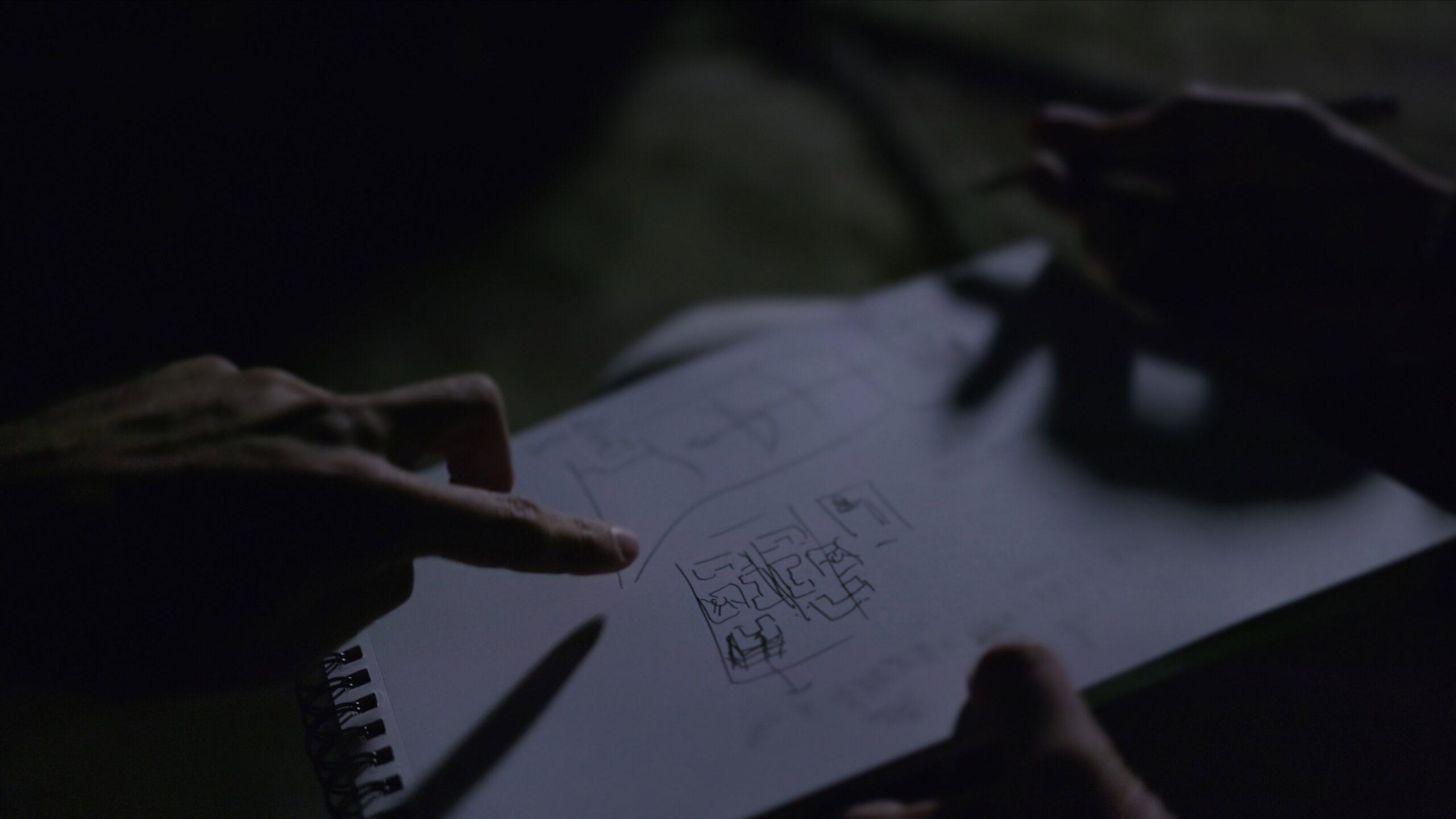
The way these conversations were discussed was done in a setting that was entirely casual. While Abraham’s style of questioning was designed to allow them to speak openly and freely, the disarming ability he has makes atrocities they describe come off the tongue in the same way we talk about sports on the weekends or drama at the workplace. How clearly they could talk about these things was as if the acts committed weren’t at the cost of life. One individual described the systems in place as if they were playing a video game – a screen displaying a building and the headcount within would allow them the option to strike and they would account for the ‘naza’ after subtracting the death of their target from the total headcount in the building, even if it was a person’s home while their family was asleep at night.
What is profound about this film, isn’t exactly the information within, but rather the platitudes regarding it. I described “naza” as a euphemism, but even so, the amount of avenues taken to euphemize what is occurring creates a disconnect between the officers and their actions. Everything was morally justified – bombing homes of families as they slept, sniping people who took open routes for food, and invading buildings and gunning people down as if it were for sport. Any loss of life through the means of war is heart crushing, but retaliation, and especially of this scale is not ok in the slightest. The documentary shows how Israel played a hand in modernizing Gaza, how the systems they set in place allows them to go into the backend of Gaza’s systems and technology to spy on their citizens. All to say, they have every advantage possible. They have financial leverage, global relationship leverage, military leverage, and espionage leverage – this job appears to be as easy as possible. And yet, despite that, the people who were being interviewed initially perceived this as something to demolish.

How they implemented artificial intelligence was especially chilling, a system called ‘Lavendar’ would designate former Hamas operatives and would initiate action from there. The lengths in which the IDF would go to ‘humanely’ kill other humans and the moral stretching they would take left the viewers in my screening in complete disgust. Then, if we as people allow a military to utilize AI to be the one all, be all for death and destruction, at what point do we lose control? Not just of the AI, but of ourselves? This cannot be the norm that we adhere to.
The takeaway from this documentary shouldn’t be of the information within, but how easy things were for the IDF to commit these acts. How quickly the advantage and war power turned in the IDF’s favor, and how utterly soulless this all is. Once everything has been laid out and tied together, Abraham asks the final question in his interview – “is this a genocide?” Without missing a beat, the interviewee answers “yes”. It isn’t my place to examine the soul of the people being interviewed, as that is theirs to reflect on once this is said and done. But, no one should be applauding, normalizing, or thinking that any tactical desolation of a society is okay. Human lives, lost – entire communities, blown up and dead people left to be devoured by dogs. While atrocities in the United States seem to be normalized (see Sandy Hook Elementary School as the point of no return), we cannot continue to think that this scale of death is remotely ok. The Israeli genocide of the Palestinian people continues to this day.
Rating: 9/10



Leave a Comment